
Mold Remediation Guidance in Chicago
Mold Discovery and Testing
Expert Removal and Prevention Recommendations
Got biological growth? Give Wet Building Solutions a call, if we don't know what kind of mold or mushroom your special guest is, we work with someone who does and know exactly how to remediate anything we find in your building.
Rest assured, all buildings have mold. The type and amount of mold or mushroom is the issue. Most are easily removed and once we identify the food (water) source, future issues can be avoided. Below are several molds and mushrooms we've found in our client's buildings. Mouse over the picture to learn more.
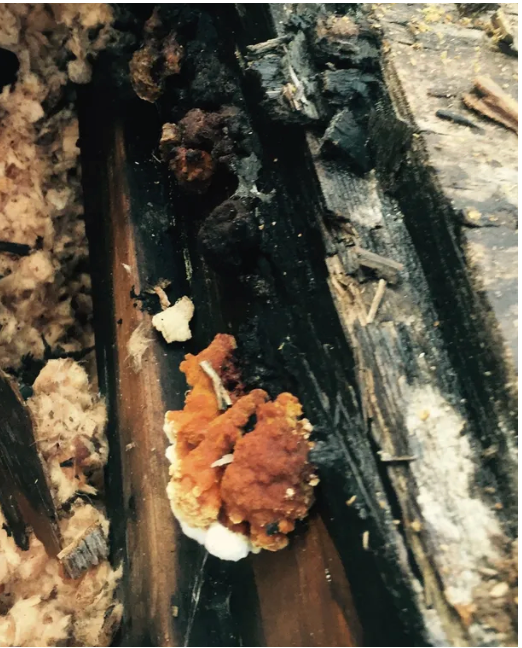
Slimy Orange Mushrooms
Found in flat roof system beneath perfectly good roof membrane in rotting roof system.
Wicker Park, Chicago

Tendril Mushrooms
Discovered behind hard-coat stucco on exterior of plywood wall sheathing in 7-year old custom home.
Wilmette, IL
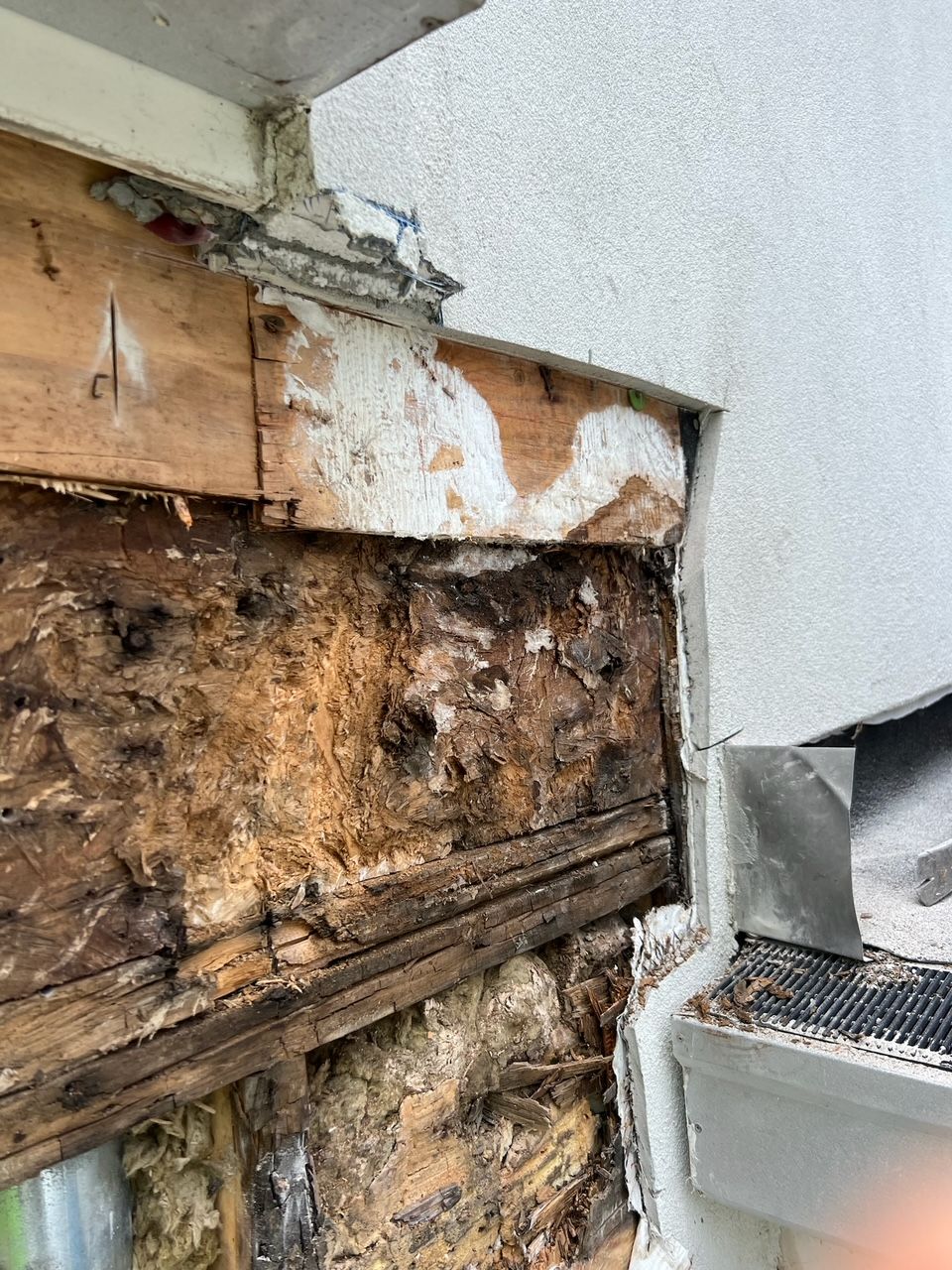
Mold and Mildew
Rotting LVL support lumber and OSB floor sheathing found in custom-built home less than 10 years old.
Chicago's North Shore
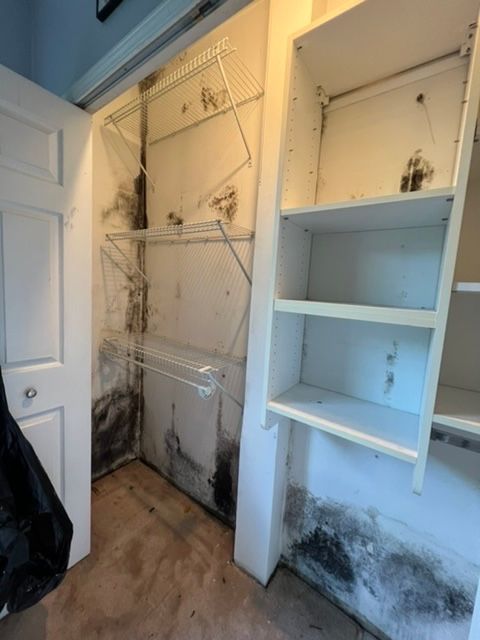
Statchy ---
Growing in walk-in closet. Closet is located on an exterior concrete block wall, directly under a leaking parapet.
West Town, Chicago